
What you will learn in this free trauma informed webinar
How your brain fills in the blanks, and why it often reaches a conclusion before it has all the facts.
The difference between what actually happened and the story you attach to it.
Four common thinking traps: all or nothing thinking, catastrophizing, mind reading and confirmation bias.
One practical skill, Notice, Question, Reframe, that you can use with clients, colleagues and the people you care about.
Your facilitators
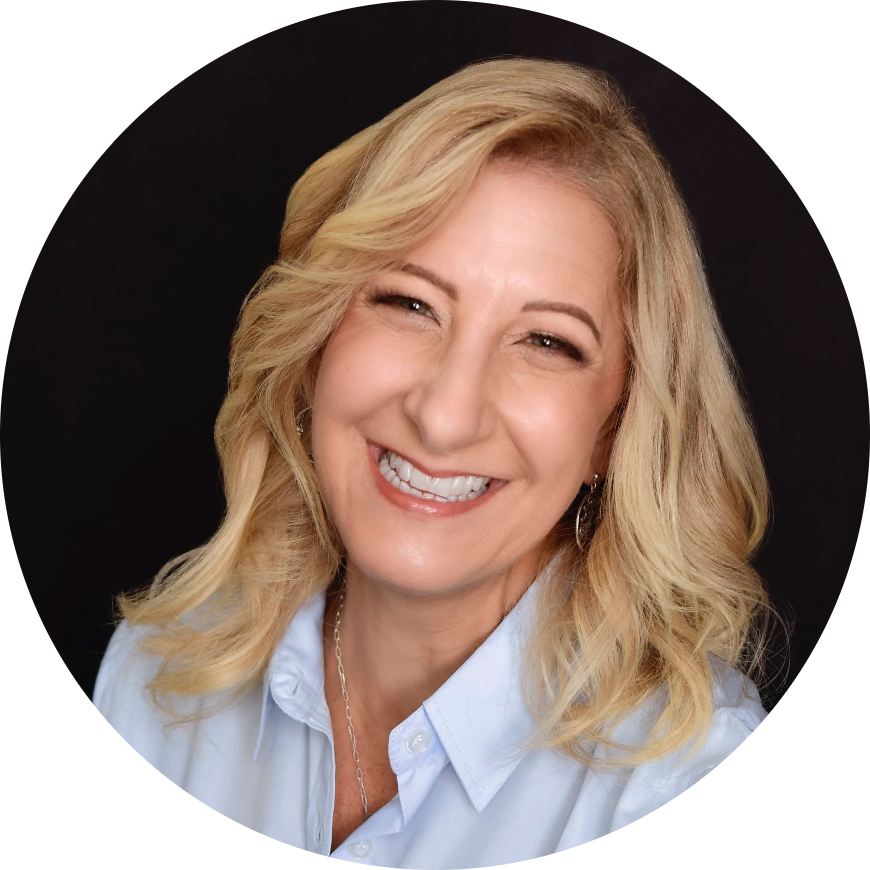
Donna Hutchinson, MA
Registered Clinical Counsellor | Workshop Facilitator
Donna leads the session and guides the skills practice. She has more than 30 years of experience in health, wellness and education, and brings expertise in trauma informed counselling, emotional regulation and resilience.
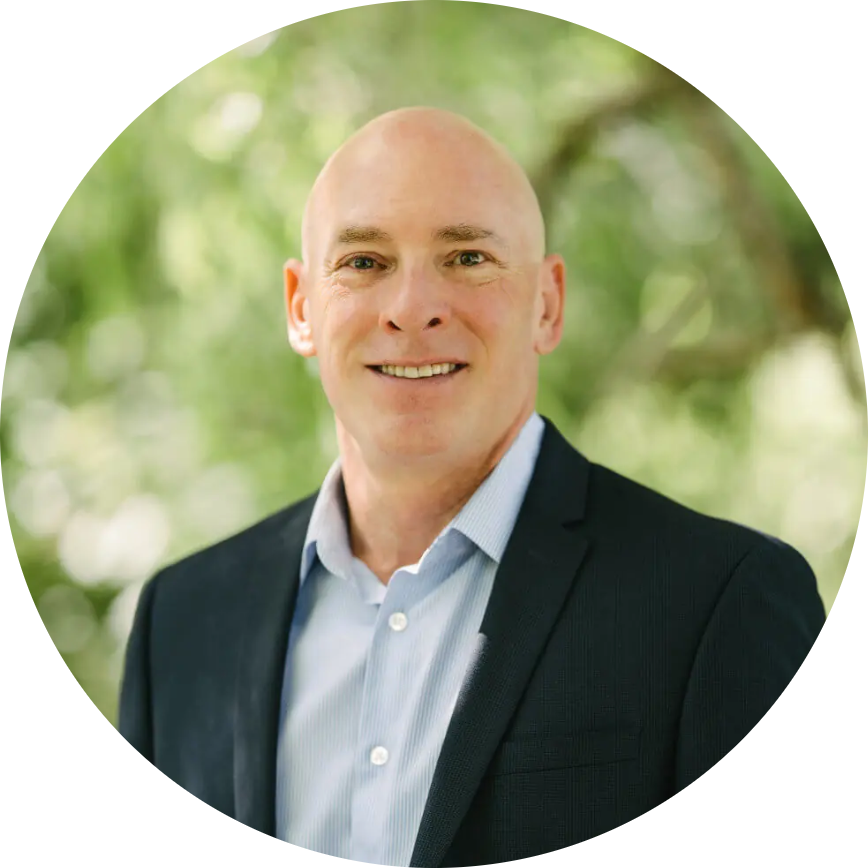
Bruce Kirk
Executive Director, BC Borstal Association | Hope After Trauma
Bruce joins Donna for a live conversation about how these thinking traps show up in high stress work. He has a long history in psychosocial services and training in Critical Incident Stress Management.
Why the story matters
We read meaning into a colleague's silence, a short email or a client's tone, and then we react to that meaning as if it were fact. In demanding work, those quick stories can raise conflict, add to stress and wear down trust. Drawing on Cognitive Behavioural Therapy, this free trauma informed webinar shows you how to catch an automatic interpretation and test it before you act on it. This isn't about positive thinking. It's about seeing a situation more accurately and responding with more flexibility. Live on Zoom, open across Canada and the United States. Cameras optional and no sharing required. Notice it. Catch the automatic thought or assumption as it shows up. Question it. Ask what you actually know, what you're assuming, and what else could explain it. Reframe it. Choose a more balanced reading that respects the facts.
Who this free webinar is for
First responders, nurses and healthcare teams, teachers and educators, counsellors and social workers, and the managers, supervisors and HR leaders who support them. Teams are welcome to register and attend together. No psychology or counselling background needed. This is the second session in our One Hour. One Idea. One Skill. series. You don't need to have attended the first one. This session is educational and does not replace professional, medical or crisis support. If you are in crisis, call or text 988 in Canada or the United States.
Save your free spot for November 26
The Stories We Tell Ourselves: Thursday, November 26, 10:00 to 11:00 a.m. BC time (12:00 p.m. Eastern). Free and live on Zoom, with three short polls, a conversation with Bruce and ten minutes for your questions.
Register free and your joining link arrives by email right away.